
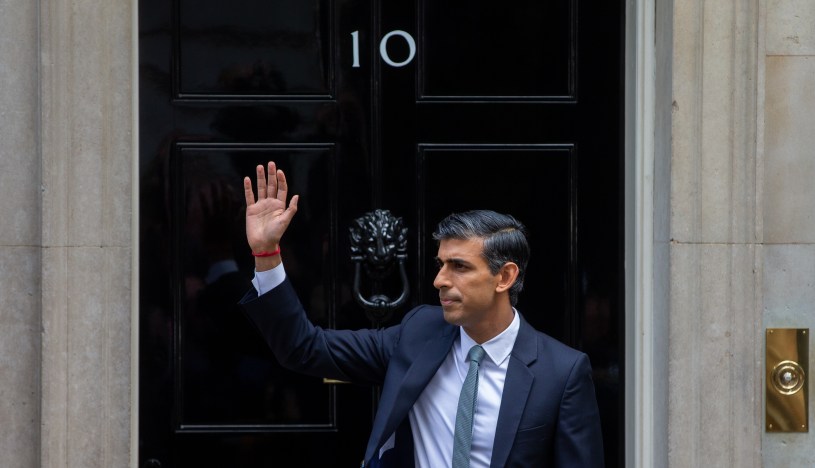
Rishi Sunak, the current Prime Minister of the United Kingdom and Leader of the Conservative Party, has swiftly climbed the ranks of British politics. From his early career in finance to his tenure as Chancellor of the Exchequer and ultimately his ascent to the country’s highest office, Sunak’s journey has been one of determination and ambition. In this blog post, we will delve into Sunak’s background, political career, and the challenges he faces as the leader of the UK.
From Finance to Politics: Born in Southampton in 1980, Rishi Sunak hails from a family of Indian descent who immigrated to Britain in the 1960s. He attended Winchester College, a prestigious private school, before pursuing studies in philosophy, politics, and economics at Oxford University. Sunak further honed his skills by earning an MBA from Stanford University in the United States as a Fulbright Scholar. Prior to entering politics, he gained experience as an investment banker at Goldman Sachs and worked as a hedge fund manager at firms such as The Children’s Investment Fund.
Rise in Politics: Sunak made his political debut in 2015 when he was elected as the Member of Parliament for Richmond (Yorks), following in the footsteps of former Conservative leader William Hague. Within the party, he quickly gained prominence, serving in various ministerial roles, including junior minister for local government and chief secretary to the treasury. His trajectory culminated in becoming Chancellor of the Exchequer under the leadership of Boris Johnson.
Achievements as Chancellor: As Chancellor, Sunak faced the enormous task of guiding the UK’s economic response to the Covid-19 pandemic. He introduced a range of measures to support businesses and workers, including the furlough scheme, the eat out to help out scheme, and financial assistance in the form of loans and grants. Sunak also presented three budgets and two spending reviews, outlining the government’s fiscal plans and priorities.
The Journey to Prime Minister: In October 2022, Sunak assumed the role of Prime Minister after Liz Truss resigned amid a leaked mini-budget scandal. Sunak emerged victorious in the Conservative leadership election, defeating Dominic Raab and Oliver Dowden with 62% of the vote. He reshuffled his cabinet and appointed Nadhim Zahawi as Chancellor. His tenure as Prime Minister has been marked by critical challenges, including managing the ongoing Covid-19 pandemic and responding to the Russian invasion of Ukraine, which threatened European security.
Sunak’s Vision and Challenges: Sunak has sought to portray himself as a modern and progressive leader, addressing issues such as climate change, social mobility, innovation, and the union of the United Kingdom. His approval ratings have remained high, and his party leads in voting intention surveys, indicating a potential majority in the next general election. However, he faces criticism for his privileged background, perceived lack of experience, and allegations of favouring wealthy associates. Internal opposition from factions within his own party, such as hardline Brexiteers and social conservatives, adds to the challenges he must navigate.
Rishi Sunak’s rise to power as the Prime Minister of the United Kingdom showcases his determination and political prowess. With his background in finance and successful tenure as Chancellor of the Exchequer, Sunak has positioned himself as a formidable leader. However, he faces ongoing challenges, both internal and external, as he strives to address pressing issues, strengthen the country’s unity, and secure his position as the best choice for the job. Only time will reveal the ultimate outcome of Sunak’s premiership and the impact he leaves on the nation.
 politicalchinwag.politics.blog