
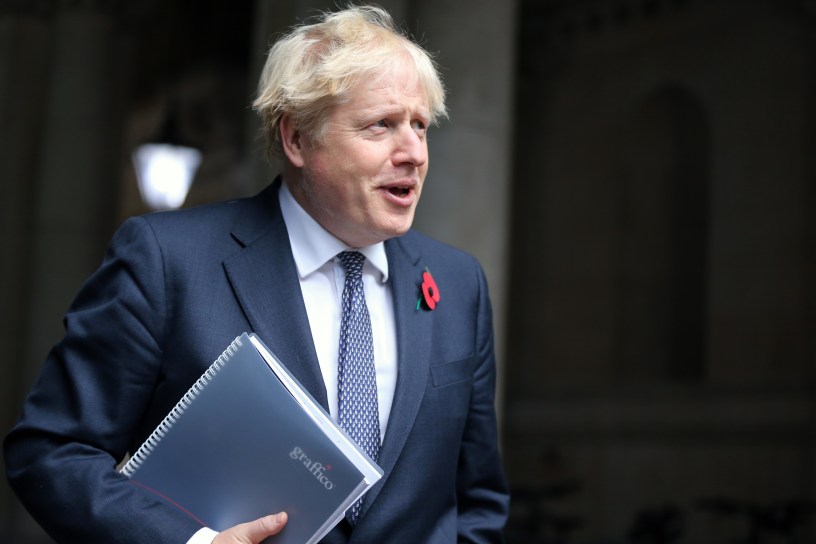
In a move that has ignited controversy and speculation, the Cabinet Office has refused to release Boris Johnson’s notebooks from his time as prime minister. These notebooks, believed to contain crucial insights into Johnson’s meetings and interactions with ministers, officials, and foreign leaders, have been denied public access due to national security concerns. The decision raises questions about transparency, accountability, and the potential impact on understanding key decisions made during Johnson’s tenure, particularly in relation to the Covid-19 pandemic. This article delves into the ongoing dispute surrounding the fate of Johnson’s notebooks and the implications it carries.
Behind Closed Covers: The BBC’s request for access to Boris Johnson’s notebooks, made under the Freedom of Information Act, was met with a resounding rejection by the Cabinet Office. Citing reasons of national security, defence, international relations, and personal information, the notebooks were deemed exempt from disclosure. Instead, they are set to be returned to Johnson himself and are expected to serve as source material for his memoirs. However, concerns about potential breaches in national security have necessitated appropriate secure storage if the notebooks are indeed returned to the former prime minister.
Unanswered Questions: The Cabinet Office’s decision has given rise to concerns about government transparency and accountability, particularly in light of the Covid-19 pandemic. Johnson’s notebooks have the potential to shed light on the decision-making process behind crucial pandemic-related choices, his interactions with global leaders, and his personal views on a range of issues. With public interest and the Covid-19 public inquiry looming, there is a growing demand for access to unredacted copies of the notebooks and WhatsApp messages. The government’s refusal to comply, instead offering only redacted copies, has further fueled suspicions and legal disputes surrounding the inquiry.
A Legal Battlefield: The battle over Johnson’s notebooks has spilled into the courtroom, with the government challenging the inquiry’s request for unredacted copies. Baroness Hallett, chairwoman of the Covid-19 public inquiry, seeks access to the full contents to determine their relevance to the investigation. However, the government’s resistance and legal challenge against the inquiry’s request have created tension. This month, a crucial hearing will take place to address the government’s challenge and determine the fate of the notebooks.
Defending Privacy, Crying Foul: Allies of Boris Johnson have come to his defense, arguing for his right to keep his notebooks private. They vehemently deny the presence of any sensitive information, claiming that the notebooks consist of nothing more than “daily jottings from unclassified meetings.” Furthermore, they accuse the government of attempting to obstruct Johnson’s cooperation with the inquiry, painting a picture of a prime minister caught in the crossfire between government agencies and an inquiry seeking to uncover the truth.
Comparisons to the Past: The secrecy surrounding Johnson’s notebooks draws comparisons to former Prime Minister Tony Blair’s extensive note-taking habits. Blair’s published notebooks, which formed the basis of his autobiography, provided unparalleled insight into his thoughts on the Iraq war, the 9/11 attacks, and his relationship with George W. Bush. Inquiries, such as the Chilcot inquiry into the Iraq war, utilized Blair’s notebooks as evidence, leading to criticism of his role in the conflict. As the fate of Johnson’s notebooks hangs in the balance, the potential revelations within them leave room for speculation about their impact on history and public perception.
Conclusion: The decision to withhold Boris Johnson’s notebooks from public scrutiny has sparked a contentious debate surrounding transparency, accountability, and national security concerns. As the Covid-19 public inquiry seeks access to unredacted copies, the legal battles intensify, raising the stakes for the former prime minister. Whether these notebooks contain innocuous daily musings or hold valuable insights
 politicalchinwag.politics.blog